


Townsville University Hospital - Humans in Health
Racism was identified as an enterprise risk within Queensland Health’s KPA1 Eliminating Racism directive. For Townsville University Hospital, responding to that directive meant more than issuing a statement or rolling out a training reminder. It required a platform that could live inside the organisation, meet staff where they are, and shift what happens in the moments that define cultural safety.
This work was developed for internal staff first, with the architecture in place to support broader community-facing use as the eliminating racism strategy evolves.

The campaign was built for the moveable middle. Not for those already deeply engaged, and not for those firmly opposed, but for the large group of people for whom silence can feel safer than involvement. The objective was behavioural: to move passive bystanding toward active cultural safety, without triggering defensiveness before connection is made.
The platform lands as Humans in Health, a deliberately low resistance entry point. Each film opens with a contextual definition of the word “Deadly”, written specifically for this project. In First Nations language, “Deadly” speaks to something genuinely excellent. Here, it becomes a shared vocabulary and a personal anchor, shaped differently for each participant’s story. It creates context without confrontation and invites attention before judgement.
From there, the structure stays simple. A person speaks in their own words, from their own world, with no performance layered over the top. Each film closes with, “I walk in both worlds. This is how I help them walk together,” leading into the positioning statement: “Two Worlds. One Healthcare System. Eliminating Racism Together.”
The creative strategy was designed to make people feel something first. To connect them to a human experience before the issue can be dismissed as political, abstract, or someone else’s responsibility.
Vetta Creative delivered Creative Strategy, Creative Direction, Account Management and Creative Development and Production, managing stakeholder feedback and approvals directly with THHS teams.
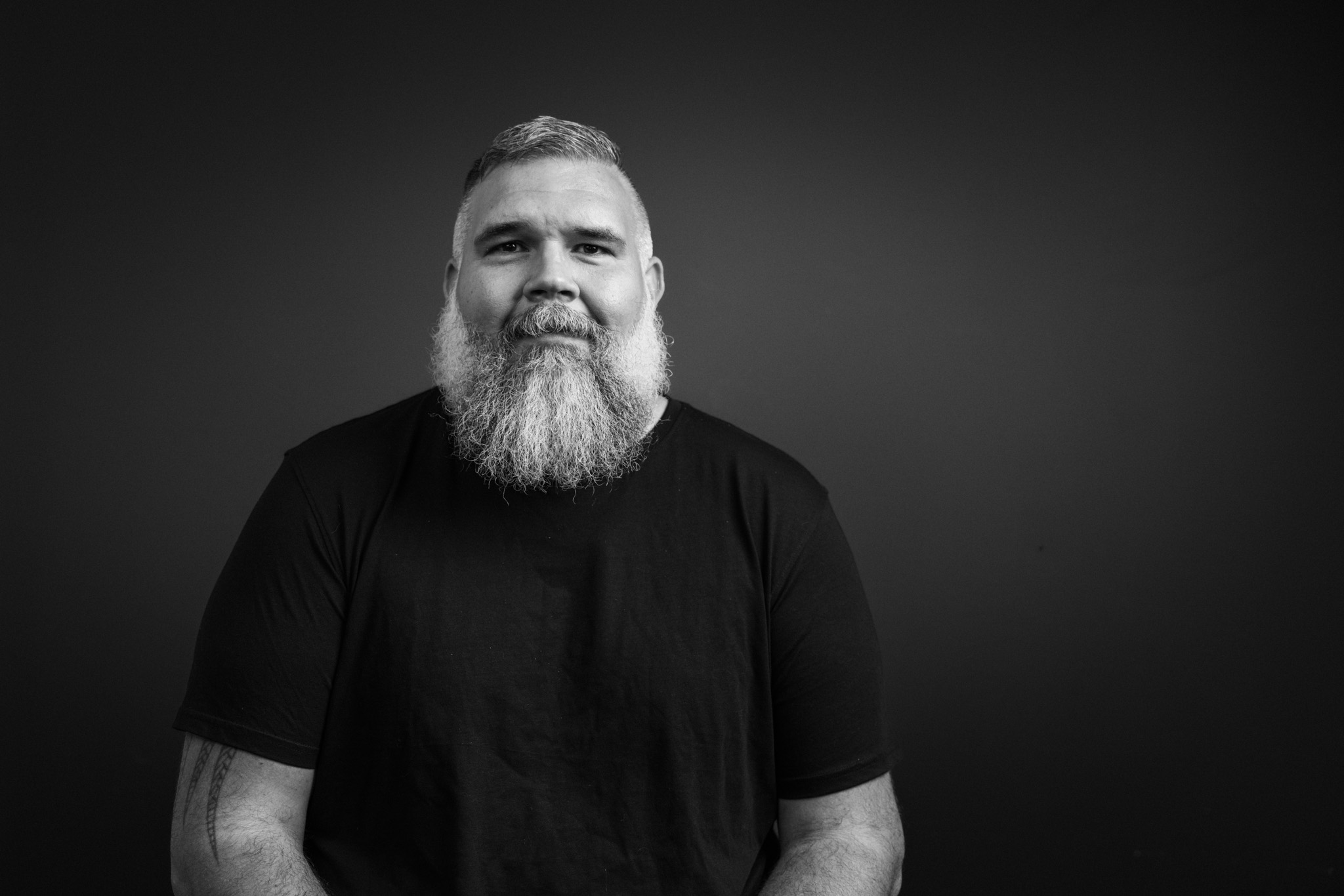
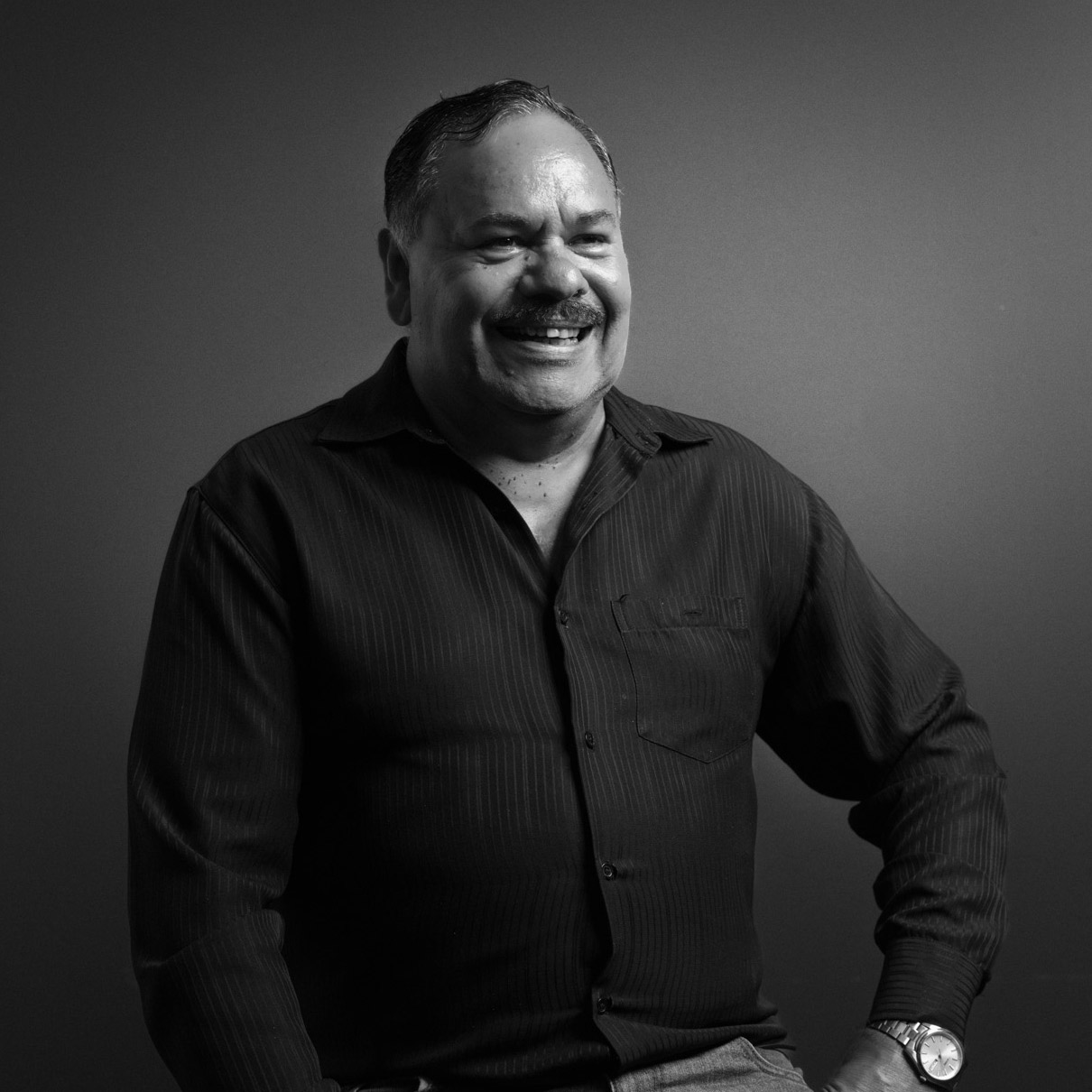
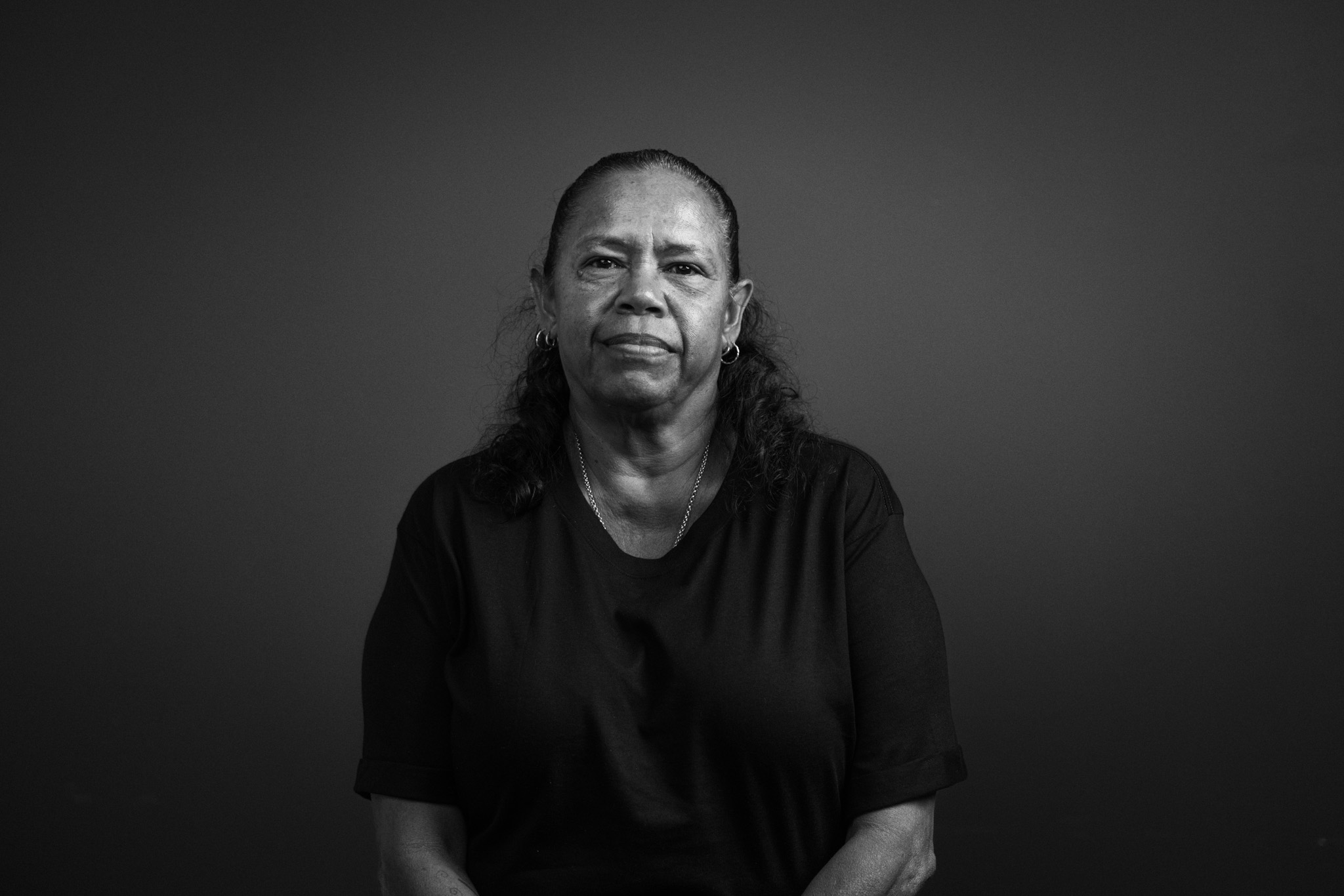
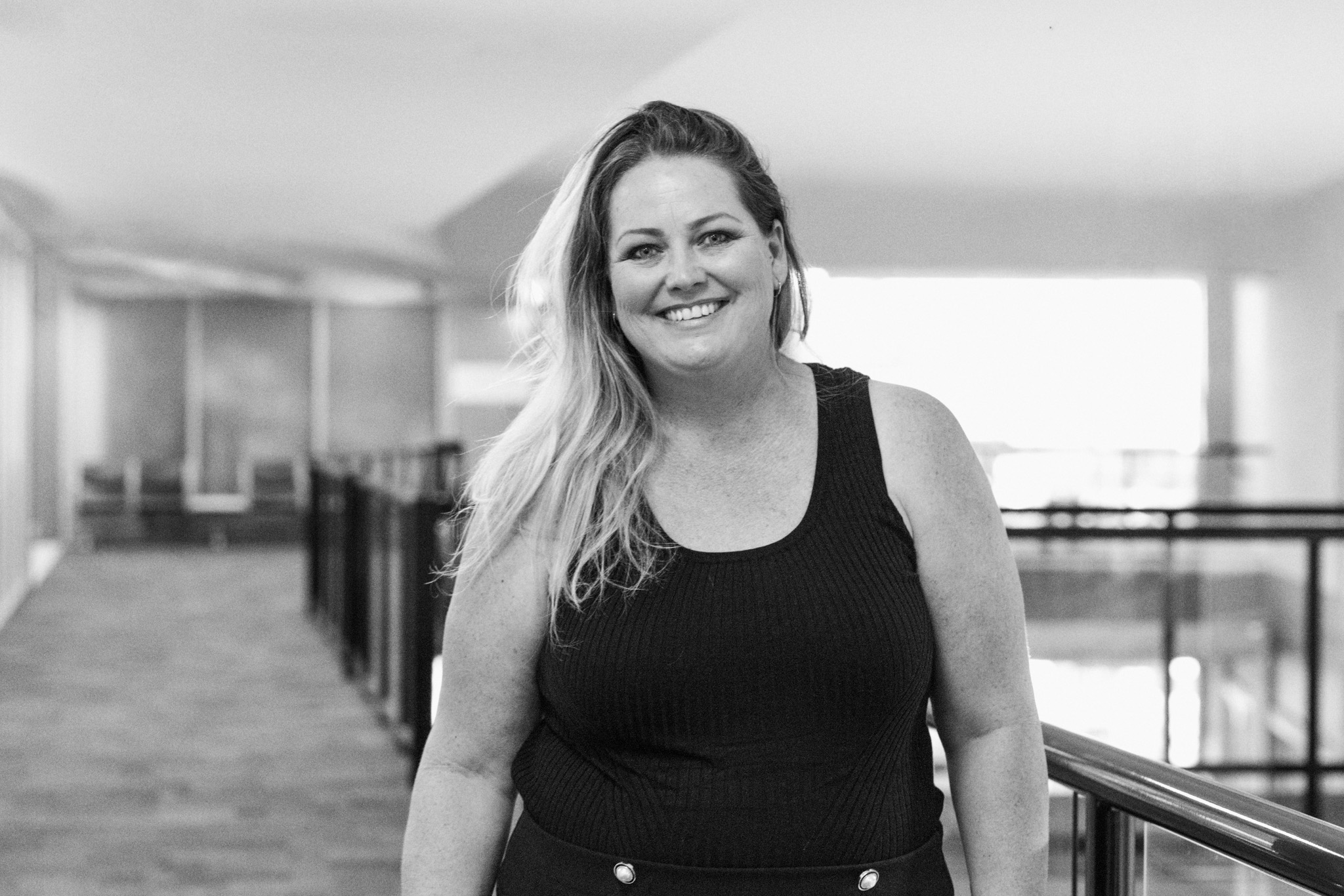
Eight first-person narrative films were produced featuring First Nations staff across the health service, including clinical and community-facing roles. A portrait series was captured alongside the films and applied across an internal poster installation within hospital corridors. Each poster features a unique statement drawn directly from the individual’s video and links via QR code to the full story hosted on QPHEPS, with supporting placement on the THHS website and social channels including YouTube, Facebook, Instagram and LinkedIn.
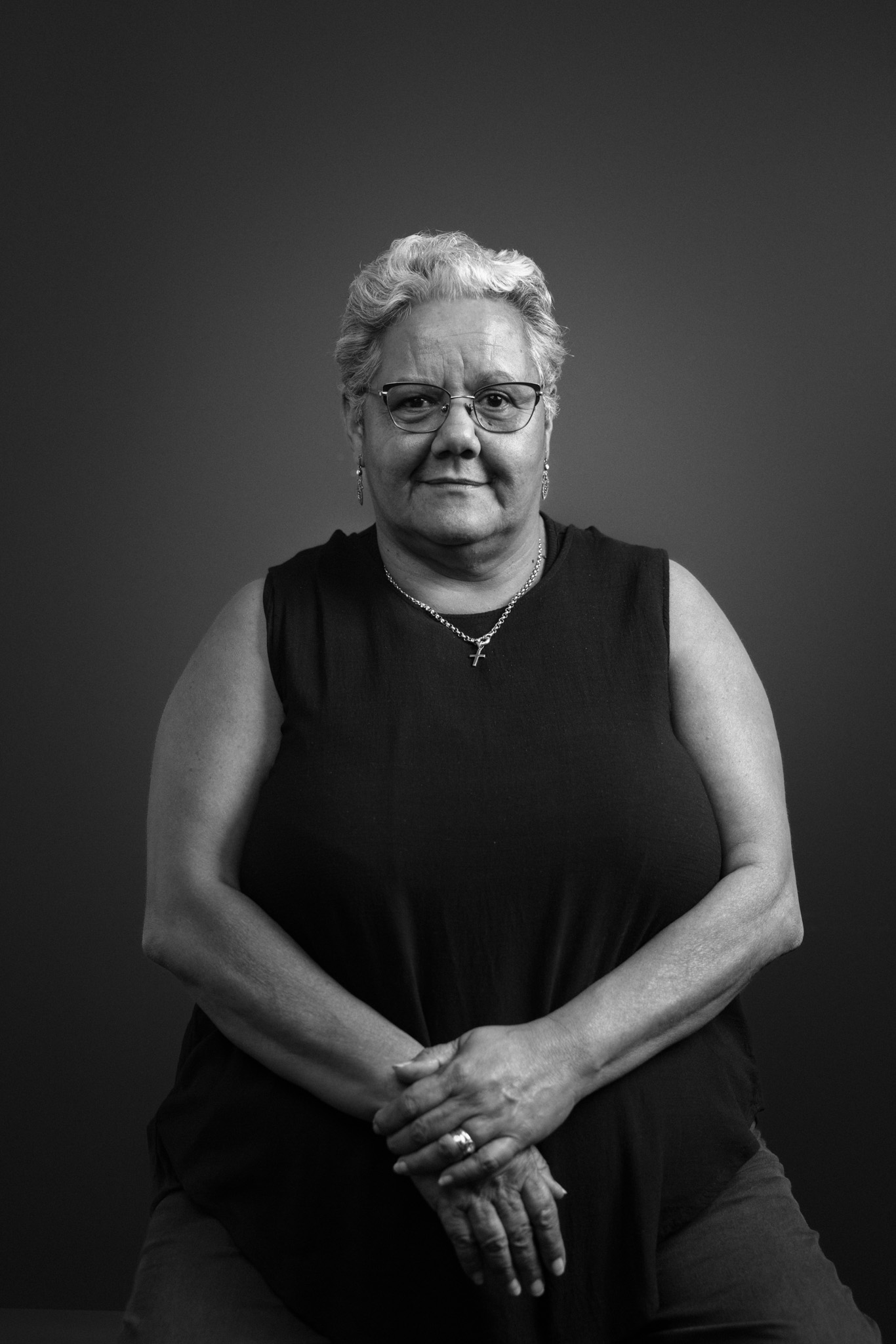
Pre-production was shaped by a Conversation Formula developed to support participants before any filming began. The intent was not to script stories, but to create conditions where people could decide what they wanted to share, in their own time and in their own language. This approach supported trauma-informed storytelling and helped build trust within the production process.
The platform was designed to persist rather than peak. It is encountered in passing, revisited, shared, and remembered. It accumulates meaning over time as staff continue to encounter the people behind the message.
The work was approved through THHS governance, including the Project Manager, Executive Director, and Director of Media, Communications and Engagement.
At the time of delivery, formal performance reporting aligned to THHS Health Performance Framework KPA1 measures was pending post-launch evaluation. The work has been embedded as part of THHS’s eliminating racism response, with internal-first deployment and the foundations in place for broader public-facing use as the strategy develops.
Early qualitative feedback confirmed the most important marker of integrity: participants recognised themselves in the work and felt it held their experiences with care and accuracy.
Humans in Health demonstrates Vetta Creative’s capacity to deliver governance-aware, evidence-aligned behaviour change communications in complex public sector environments, combining strategic restraint with deeply human storytelling.